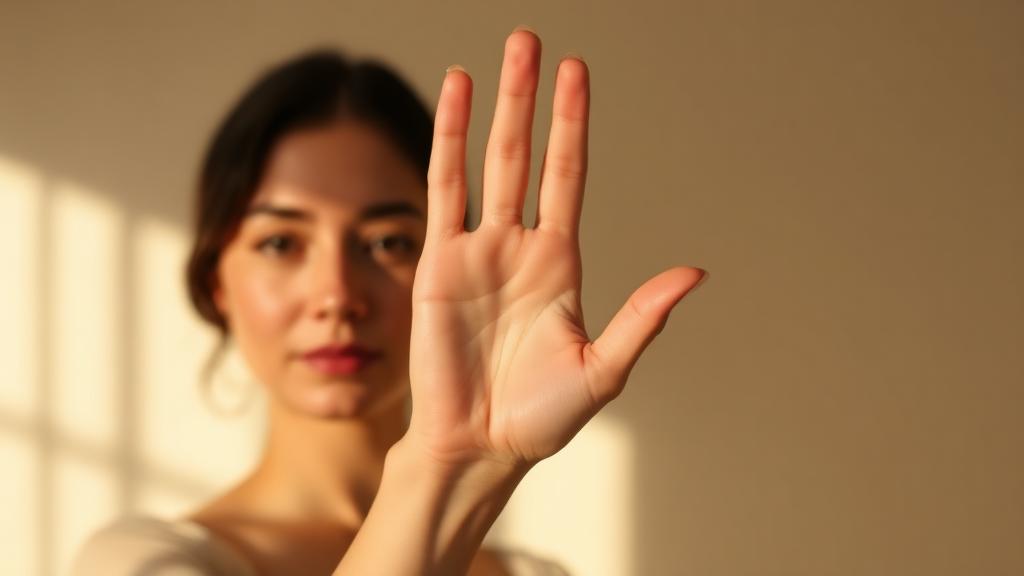
The Morning Ritual That Changed Everything
Before the world wakes, there is a sacred hour. How one woman reclaimed her mornings and found herself again

Helena Cross
January 6, 2026 · 5 min read
For fifteen years, my mornings were a blur of urgency. The alarm would sound and I would launch into motion—shower, dress, children, coffee, commute—a frantic sequence optimized for speed. I arrived at work already exhausted, having accomplished much but experienced nothing. This was simply how mornings were: something to survive rather than savor.
The change began not from inspiration but from desperation. I was forty-one, successful by external measures, and quietly falling apart. The doctor used words like 'burnout' and 'cortisol' and 'unsustainable.' Something had to change. In the wreckage of my carefully constructed life, I found an unexpected rebuilding block: the early morning.
I started waking at five. Not five-thirty, not a gradual shift—five o'clock, a full hour before my previous alarm. The first weeks were brutal. My body, accustomed to every possible minute of sleep, protested loudly. But I had read enough to know that discomfort often precedes transformation, so I persisted.
More on Beauty & Wellbeing:
What I did with that hour mattered less than the fact that it was mine. No one needed anything from me at five in the morning. No emails demanded response, no children required attention, no obligations called. For the first time in years, I had space that belonged only to me.
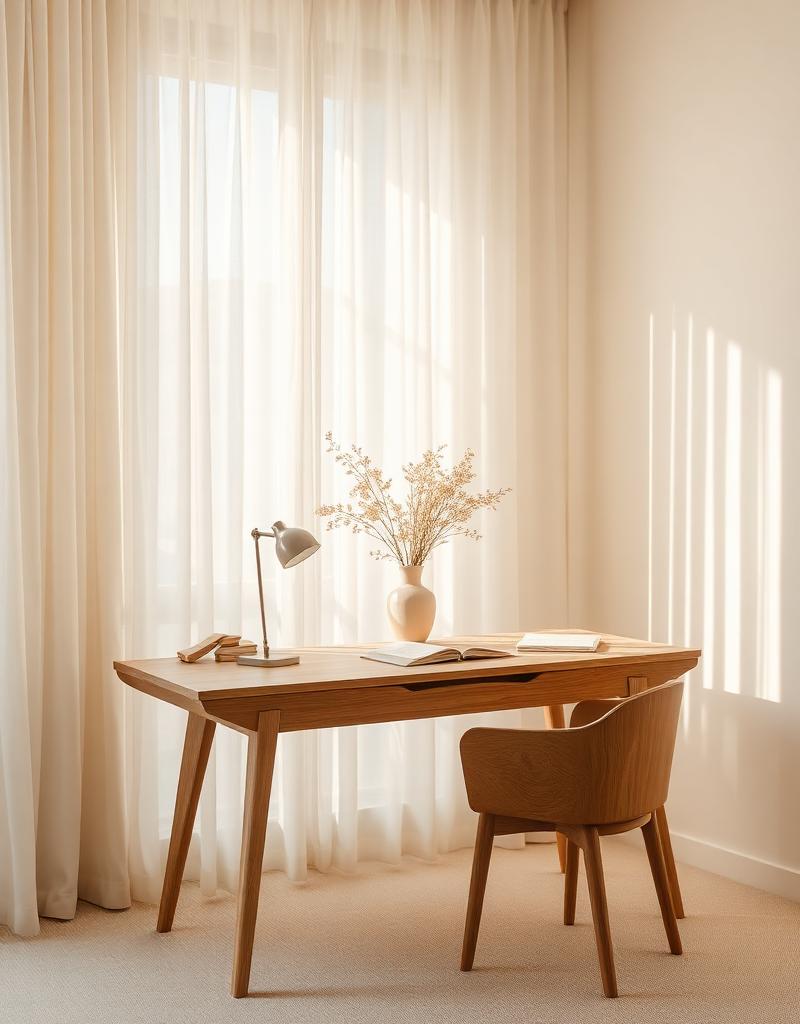
The ritual evolved slowly. I learned I craved silence—not music, not podcasts, not the stimulation I'd been drowning in all day. Just quiet and the sound of my own thoughts, unfamiliar after years of constant noise. I made tea instead of coffee, something warm to hold rather than gulp. I sat by the window and watched the sky lighten.
Some mornings I wrote. Not productively, not for any audience, just the private act of putting thoughts on paper. Pages of complaints, of fears, of half-formed ideas. The writing itself wasn't important—what mattered was the excavation, the clearing out of mental clutter that had accumulated for years.
Other mornings I read. Not the business books and self-improvement literature that had filled my nightstand, but novels, poetry, the impractical words I'd abandoned when life became too busy for beauty. I rediscovered authors I'd loved at twenty and wondered how I'd let them slip away.
Movement found its way into the hour. Not the punishing gym sessions I'd scheduled as another item to accomplish, but gentle stretching, yoga without instruction, simple attention to a body I'd been treating as a machine. I learned where I held tension, how my spine curved after years at a desk, what it felt like to breathe deeply.
The effects rippled outward. By the time my family woke, I was different—calmer, more present, somehow more myself. The morning chaos continued, but I met it from a place of grounding rather than desperation. I had already claimed something for myself; the rest of the day could take what it needed.
My work improved, though that wasn't the goal. Ideas came more easily. Patience lasted longer. The creativity I'd thought was simply depleted turned out to have been buried under exhaustion. With rest—true rest, not just sleep—it began to resurface.
Friends asked what had changed. I looked different, they said, though nothing external had shifted. The change was internal, a settling into myself that apparently showed on my face. I told them about the mornings and watched polite skepticism in their eyes. An hour? At five? It sounded like another form of productivity culture, another optimization to add to the list.
But the ritual is precisely the opposite of optimization. It is inefficient by design, unproductive by intention. Nothing is accomplished in that hour that could be measured or monetized. The only output is a subtle shift in how I experience being alive.
Three years later, the practice holds. It has survived travel, illness, disruption, seasons of grief and seasons of joy. Some mornings the ritual is abbreviated; others it stretches luxuriously. The specific activities matter less than the commitment: one hour, before the world wakes, for myself.
What I've learned is that we become what we practice. For years, I practiced urgency, and I became urgent—hurried and harried and perpetually behind. Now I practice presence, and I am slowly becoming more present. The morning sets the template; the day follows the pattern laid down in those quiet hours.
I think often of the women I know who are where I was—running on fumes, giving everything away, losing themselves in the noble project of caring for everyone else. I want to tell them about the mornings, but I know the idea sounds impossible. There isn't time, they say. The children, the work, the obligations.
What I've discovered is that the time exists; we simply have to claim it. It requires going to bed earlier, which means releasing the evening hours we use to decompress. It requires believing that our own restoration matters, which for many of us is the harder shift. But the hour is there, waiting, if we're willing to reach for it.
Before the world wakes, there is a sacred space. It belongs to no one else. It asks nothing of us except our presence. What we do with it matters less than the fact that we claim it. In that claiming, we remember something essential: that we are not only what we produce, what we give, what we accomplish. We are also simply here, alive, worthy of an hour for ourselves.