Creating a Home Office That Inspires
How thoughtful design and intentional space can transform your daily work into a practice of calm productivity
Caroline Webb
January 10, 2026 · 4 min read
When the pandemic sent us home, I worked from a corner of the dining table, laptop balanced precariously among breakfast dishes and children's homework. The arrangement was temporary, I told myself. Three years later, millions of us are still working from home—and the quality of our workspaces has become inseparable from the quality of our work.
A home office is not merely functional space. It is a daily environment that shapes mood, focus, and creativity. The difference between a space that depletes and one that restores is not square footage or budget—it's intention. I've seen inspiring offices carved from closets and soul-crushing ones in dedicated rooms.
The first principle is separation. Your work needs a home that is distinct from your rest, even if that distinction is symbolic rather than architectural. A dedicated desk, a specific corner, a visual boundary that says: this is where work happens. Without this separation, work bleeds into everything, and nothing ever feels truly finished.
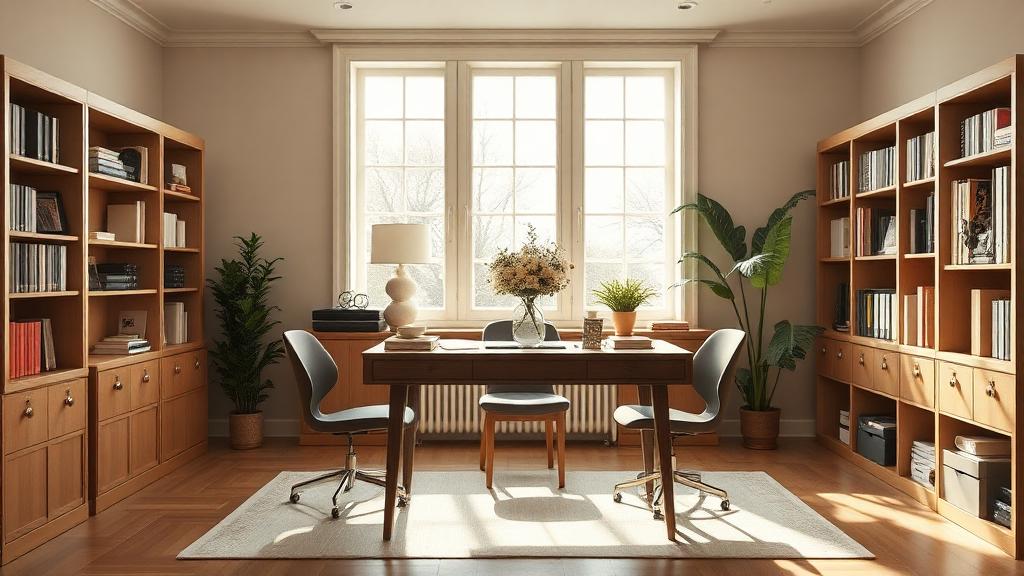
Light matters more than most people realize. Natural light remains the gold standard—it regulates circadian rhythms, improves mood, and reduces eye strain. Position your desk near a window if possible, with the light coming from the side rather than directly behind your screen. If natural light is limited, invest in full-spectrum bulbs that mimic daylight.
The view from your desk deserves consideration. Staring at a wall for eight hours daily affects mental state differently than glimpsing sky, greenery, or even a carefully chosen piece of art. If your view cannot be changed, create visual interest at eye level: a small plant, a beloved photograph, anything that gives the eye somewhere pleasant to rest.
Clutter is the enemy of focus. This doesn't mean sterility—a space can be warm and personal while remaining ordered. The goal is intentionality: everything in view should serve a purpose, whether functional or aesthetic. If it doesn't contribute to your work or your wellbeing, it's a distraction waiting to happen.
Storage is the unsung hero of productive space. Papers, supplies, and equipment need homes. When everything has its place, tidying becomes automatic rather than a project. Consider closed storage for items you don't use daily—the visual calm of clean surfaces is worth the extra step of opening a drawer.
Ergonomics matter for longevity. A good chair is not a luxury but an investment in your future body. Your screen should sit at eye level, your arms at ninety degrees, your feet flat on the floor. These details seem trivial until the neck pain starts, until the wrists ache, until the body begins protesting the hours of poor positioning.
Temperature and air quality affect cognition more than we acknowledge. A space that's too warm induces drowsiness; too cold creates distraction. Fresh air—from a window or at minimum from good ventilation—prevents the mental fog that builds in stale environments. A small air purifier or even an open window can transform how you think.
Sound requires attention. Complete silence suits some; for others, it amplifies distraction. Know your needs. Noise-canceling headphones can create focus in chaotic households. Ambient sound apps provide non-intrusive audio textures. The rustle of a fan or the murmur of a white noise machine can mask jarring interruptions.
Plants bring life to work. Beyond aesthetics, they improve air quality and provide the psychological benefits of connection to nature. You don't need a green thumb—pothos, snake plants, and ZZ plants thrive on neglect. Even one small plant changes the energy of a space.
Personal touches matter, carefully curated. A few meaningful objects—not a shrine to your life, but selected pieces that bring pleasure or inspiration. Perhaps a beautiful pen, a photograph that grounds you, an object from travels. These items should earn their place on your desk rather than accumulate by default.
Technology should serve rather than dominate. Cable management sounds mundane but affects daily experience. A wireless charger, a monitor arm, thoughtful cord routing—these small investments in tidiness compound into significant psychological benefit. When technology recedes visually, human elements can come forward.
Finally, consider ritual. A home office becomes more than functional space when you mark its boundaries with intentional practices. A candle lit at the start of the workday. A specific playlist that signals focus time. A closing ritual that helps you leave work behind. These markers create psychological separation that the commute once provided.
Creating an inspiring home office is not a weekend project but an ongoing practice. Pay attention to what's working and what isn't. Adjust, iterate, refine. The goal is not perfection but alignment—a space that supports the work you do and the person you want to be while doing it.