Small Daily Experiments for a Happier, More Fulfilled Life
A gentle approach to emotional wellbeing for women navigating their 30s and 40s—without pressure, perfection, or overwhelm

Helena Cross
February 3, 2026 · 7 min read
There's a particular kind of exhaustion that doesn't show up in medical tests. It lives in the space between your public self and your private one—the gap between 'I'm fine' and what you actually feel at 2 AM when sleep won't come. If you're a woman somewhere between thirty and fifty, you probably know this exhaustion intimately. Your life looks enviable from the outside. You've built something real. And yet, there's a quiet dissatisfaction humming beneath the surface that you can't quite name.
This isn't depression, exactly. It's not burnout, though it shares some DNA with that condition. It's something more subtle: the growing suspicion that the life you've constructed, however successful, is missing something essential. You have the career, the relationships, maybe the family—but the sense of genuine fulfillment you assumed would come with these achievements remains elusive.
## The Quiet Dissatisfaction Nobody Talks About
More on Beauty & Wellbeing:
We don't talk about this openly because it sounds ungrateful. How can you be dissatisfied when so many would trade places with you? But the truth is that wellness for women in their 30s and 40s requires acknowledging what's actually happening inside, not performing contentment for an audience. The women I know who've found their way to genuine happiness all started by admitting the same thing: something isn't working, and pretending otherwise is exhausting.
The invisible weight you carry has many names: mental load, emotional labor, the default parent syndrome, the competence curse. You're tracking everyone's appointments, remembering everyone's preferences, anticipating everyone's needs. You're the family CEO, the household operations manager, the keeper of a thousand small details that would fall through the cracks if you stopped paying attention.
## The Invisible Weight Women Carry
This weight is compounded by identity shifts that happen quietly in midlife. The body that once felt reliable starts sending unfamiliar signals. The career that once excited you may feel like a treadmill. The relationships you've maintained for decades may need renegotiation. You're not who you were at twenty-five, but who you're becoming isn't entirely clear yet. This in-between space—this threshold—is where so many women find themselves, wondering if feeling happier as a woman means changing everything or simply changing your relationship to what already exists.
Here's what I've learned: the answer is neither dramatic overhaul nor passive acceptance. It's something in between—something gentler and more sustainable than either extreme.
## Why Big Changes Don't Stick
You've probably tried the big changes. The morning routine that requires waking at 5 AM. The meditation practice that demands thirty minutes of perfect stillness. The self-care regimen that requires more time than you have. The productivity system that assumes your life has clean edges and predictable rhythms. These approaches share a common flaw: they're designed for a life you don't actually have. They require resources—time, energy, solitude—that are luxuries for women juggling the complexity of midlife.
Drastic wellness plans often backfire because they add to your already-full plate. They become another thing you're failing at, another gap between aspiration and reality. This is why gentle self-improvement for women at this stage looks radically different from the all-or-nothing approaches that dominate wellness culture.
## The Power of Small Daily Experiments
What actually works—what I've seen transform my own life and the lives of women I know—is smaller than you'd expect. I call them experiments rather than practices because the word carries less weight. A practice implies commitment, discipline, potential failure. An experiment is just curiosity in action. You try something small. You notice what happens. You adjust or abandon based on actual results.
These daily habits for happiness aren't optimized for Instagram. They don't require special equipment, protected time, or anyone's permission. They meet you exactly where you are—in the spaces between obligations, in the margins of your existing life. They're designed for real women navigating real complexity, not idealized versions of ourselves with unlimited time and energy.
## What These Experiments Look Like
Morning reflection prompts that take ninety seconds instead of thirty minutes. A single question while your coffee brews: What do I actually need today? Not what does everyone else need—what do you need? The practice of asking yourself this question daily is more transformative than any elaborate journaling system. It builds the muscle of self-awareness that genuine emotional wellbeing for women requires.
Emotional check-ins that acknowledge rather than analyze. Pausing three times a day to simply name what you're feeling—not to fix it, not to understand it, just to notice it. Frustrated. Scattered. Surprisingly content. This simple practice creates space between stimulus and response, between feeling and reaction. It's the foundation of mental clarity for busy women.
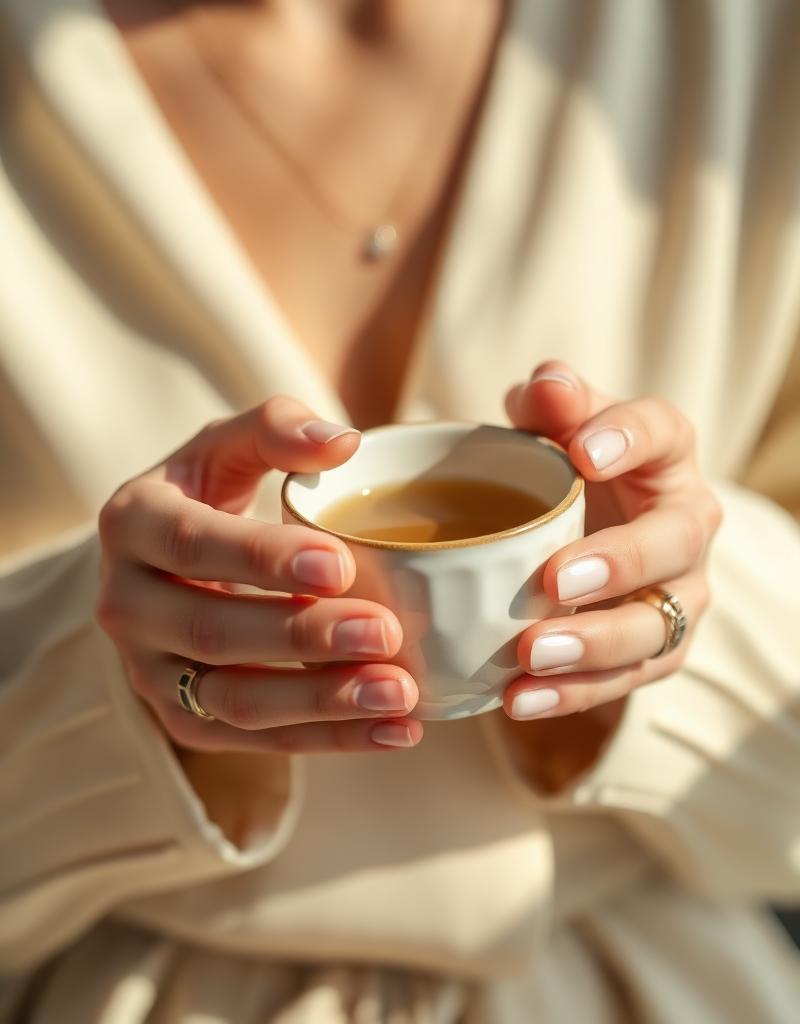
Micro-moments of intentional joy. Not manufactured positivity, but genuine attention to small pleasures that already exist in your day: the first sip of tea, sunlight on skin, a song that unlocks memory. These moments cost nothing and require only that you notice them. They're waiting for your attention.
Mindset experiments that question inherited assumptions. Trying on thoughts like 'This doesn't have to be perfect' or 'I'm allowed to rest' or 'My needs matter too.' Not as affirmations you don't believe, but as hypotheses you're testing. What would change if this thought were true?
Boundary micro-practices that build the muscle of saying no. Starting with the smallest requests and working up. Letting a text wait an hour before responding. Declining one optional obligation per week. These small acts of self-protection accumulate into something significant: the reclamation of your own time and energy. Inner peace and purpose for women often begins with learning to protect the space for it.
## Is This Approach Right for You?
This approach to personal growth for women over 30 is particularly suited to those who've tried the big programs and found them unsustainable. If you're tired of hustle culture's demands for constant optimization, if perfectionism has made self-care feel like another performance, if you want more joy but not more pressure—these experiments might be what you've been looking for.
You don't need to feel broken to benefit. You don't need to change your entire life. You just need curiosity about whether small shifts might create meaningful change—and willingness to find out.
If you're curious about exploring this approach with guidance, there's a program called <a href='https://mlemus-inspires.systeme.io/fulfilledwomen?sa=sa02623418162943db6f5d6c1126cdbcbf9a8826be' target='_blank' rel='nofollow sponsored noopener' class='text-primary hover:underline'>Small Daily Experiments for a Happier, More Fulfilled Life</a> that was designed specifically for women navigating this season. It's practical, reflective, and pressure-free—worth exploring if this resonates with you.
Thousands of women are using these simple practices to reconnect with themselves and build a happier inner life. Not through dramatic transformation, but through the accumulation of small, intentional experiments that honor where you actually are.
The women's wellness journey doesn't require becoming someone new. It requires becoming more fully who you already are—with gentleness, curiosity, and the radical act of taking yourself seriously. Happiness doesn't come from changing your life overnight. It comes from small, intentional experiments that compound over time into something that feels, finally, like enough.
Start with one experiment. Just one. Notice what happens. Let your own experience be the evidence. This is how lasting change actually works—not through willpower, but through curiosity. Not through perfection, but through practice. Not through doing more, but through doing less with more intention.