The Art of Slow Living in a Fast-Paced World
Reclaiming time, intention, and presence in an age of constant acceleration
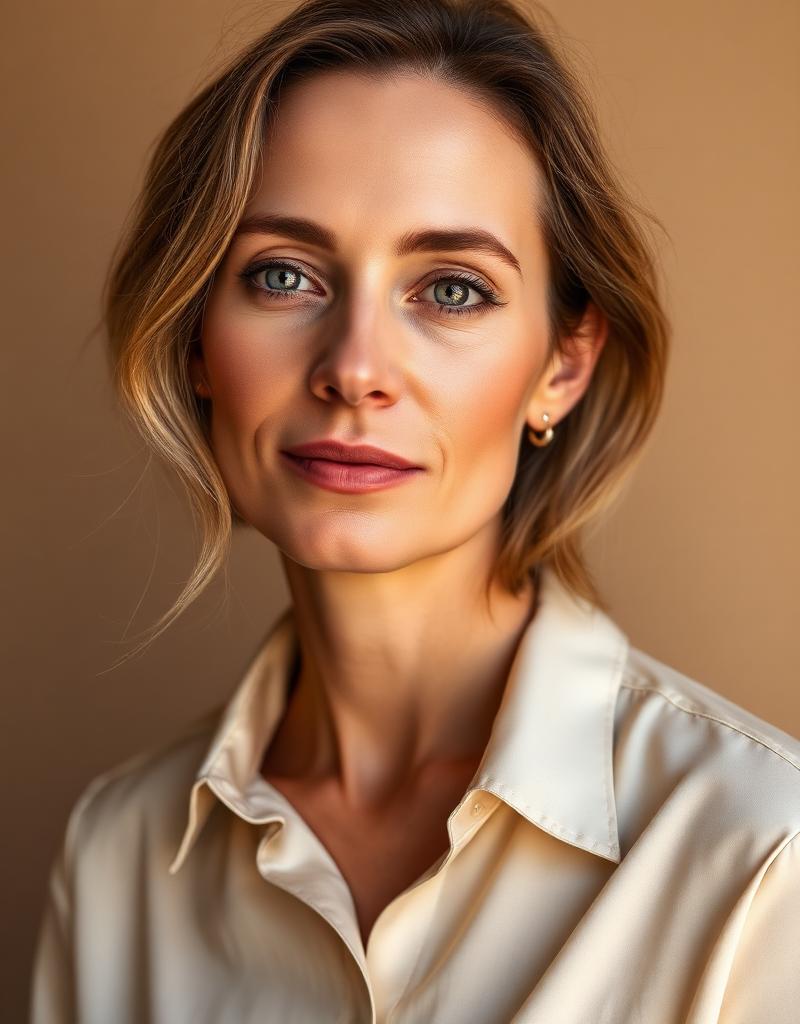
Charlotte Edwards
January 12, 2026 · 2 min read
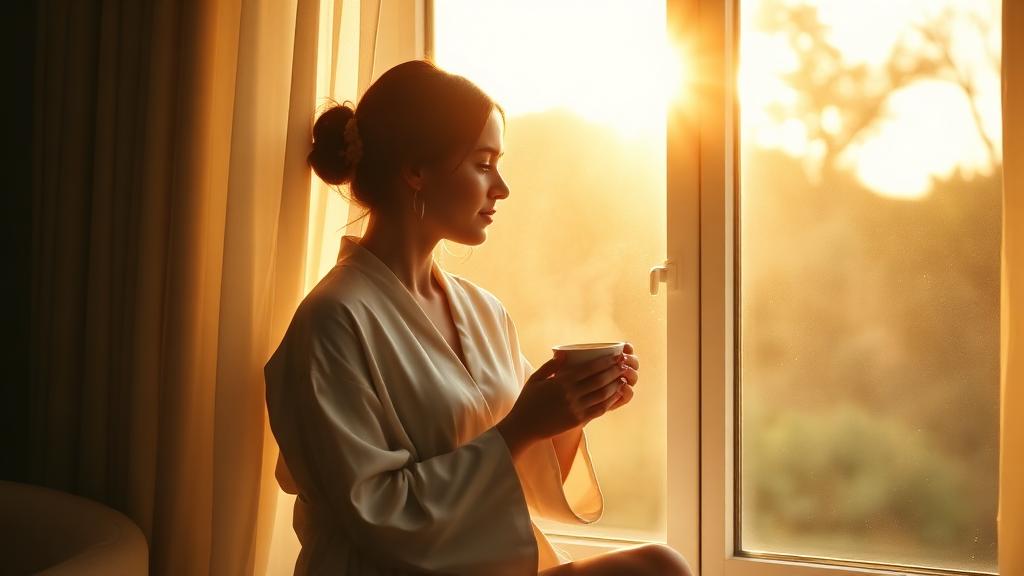
There is a particular quality to mornings when you refuse to rush. The coffee tastes richer when you sit with it rather than gulp it down between emails. The light through the window becomes something worth noticing when you're not already mentally cataloguing the day's demands.
This is not about productivity, though the irony is that slowness often yields more meaningful work. It's about reclaiming something we've surrendered so gradually we barely noticed its loss: the texture of our own lives.
I came to slow living not through philosophy but through necessity. A decade of ambitious striving had left me accomplished and exhausted, successful by external measures and hollow by internal ones. The wake-up call, as it so often is, was my body refusing to continue at a pace my mind had normalized.
What I've learned since then is that slowness is not the opposite of ambition. It's a different relationship with time altogether—one where we stop treating hours as resources to be optimized and start experiencing them as the substance of our lives.
The practice begins with small rebellions: a morning without your phone, a meal without multitasking, a walk without a destination or a podcast filling your ears. These moments of deliberate emptiness are not wasted time. They are the spaces where we remember who we are when we're not performing productivity.
There's a cultural dimension to this that deserves acknowledgment. We live in systems designed to extract maximum output from human beings. Choosing slowness is, in some ways, a political act—a refusal to reduce yourself to your economic function.
But it's also deeply personal. When I sit with my daughter now, I am actually present. When I write, I have access to depths that hurry made unreachable. When I rest, I rest fully, without the guilty undertow of believing I should be doing something else.
The art of slow living is not about doing less. It's about being more—more present, more intentional, more aligned with what actually matters to you. In a world that profits from your distraction, attention becomes a form of resistance.
Start small. One slow morning a week. One meal eaten in silence. One conversation where you're not half-composing your response while the other person speaks. These modest practices accumulate into something transformative: a life you're actually living, rather than racing through.