Curating a Life: The Art of Intentional Collecting
How the things we choose to surround ourselves with shape who we become

Alexandra Vance
January 6, 2026 · 3 min read
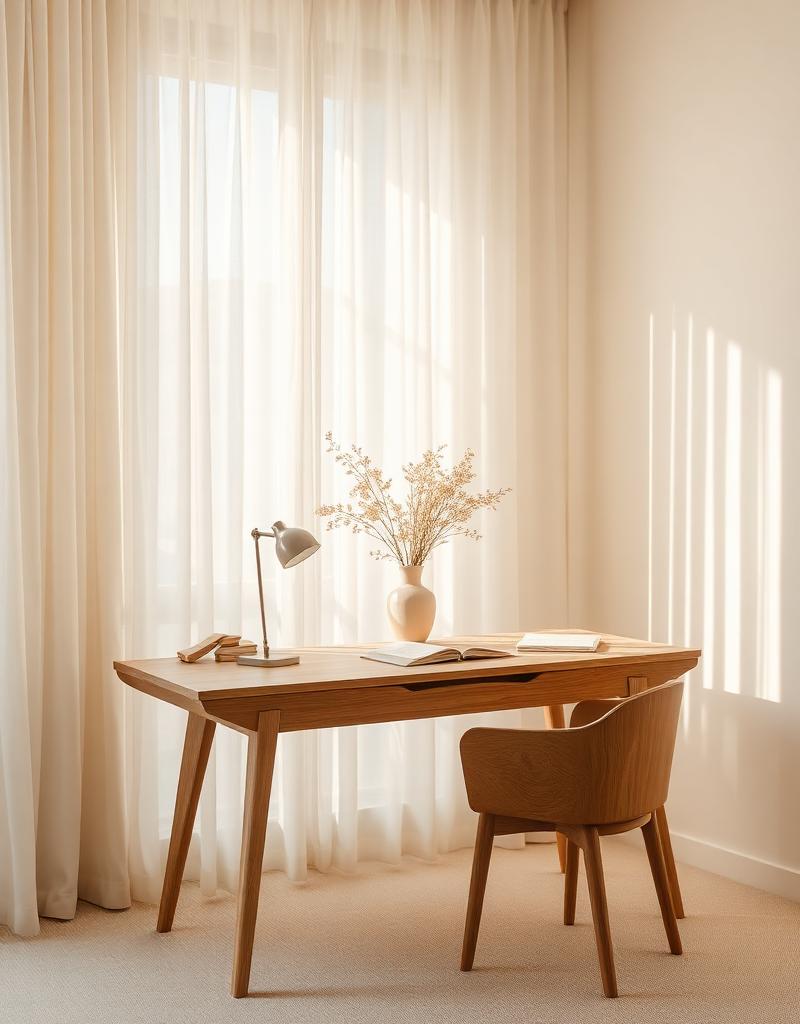
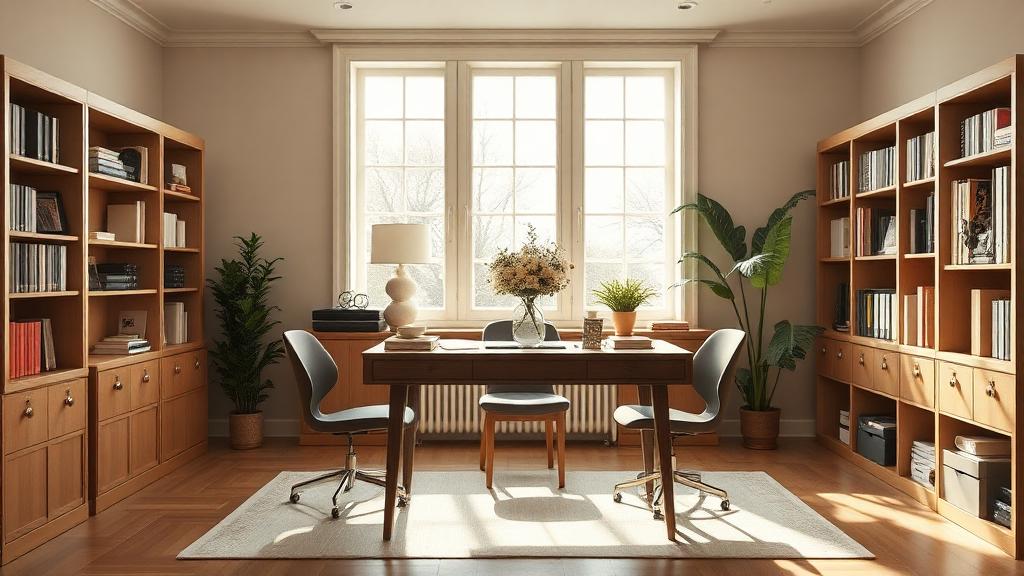
The objects in my home tell a story. Not of accumulation but of curation—each piece chosen, each possession earned through deliberation. This is not the sterile emptiness of extreme minimalism but the rich fullness of intentional collecting. Every item has passed a test: Does this belong in my life?
We live in an age of abundance that often feels like drowning. The endless products, the constant sales, the peer pressure of visible consumption—these forces push us toward having more, whether or not more serves us. Intentional collecting is the resistance: choosing quality over quantity, meaning over novelty.
The practice begins with subtraction. Before you can curate, you must cull. The possessions that arrived by default—gifts kept from obligation, purchases made in moments of weakness, inherited items that carry no personal meaning. Letting these go creates space for what truly belongs.
What remains should pass multiple tests. Is it beautiful? Is it useful? Does it spark genuine pleasure? Will it age well? These questions, asked honestly, eliminate most potential purchases. What survives this scrutiny becomes part of your life for years, not months.
I've learned to wait. The impulse purchase is almost always regretted; the item considered for weeks or months rarely is. When I find something I want, I put it on a list and revisit it later. The things that still call to me after time has passed are the things worth having.
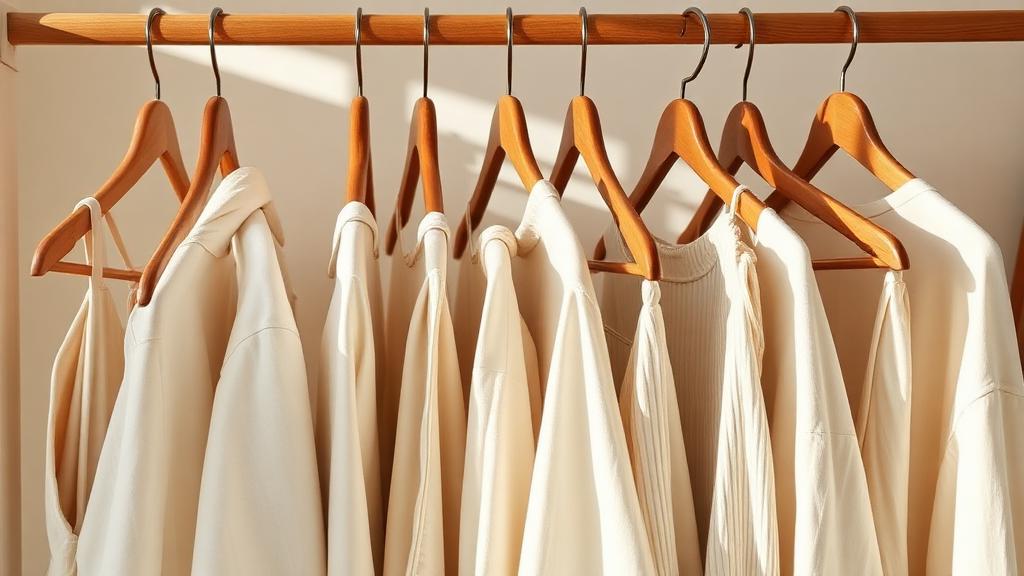
Quality becomes paramount. A single well-made garment rather than ten fast-fashion pieces. One beautiful bowl rather than a cabinet of adequate ones. The economics shift when you're buying for keeps rather than for now. Better things, fewer of them, tend to cost less over time.
The curation extends beyond objects to commitments. Which activities deserve space in your calendar? Which relationships merit your energy? Which obligations are truly yours to carry? The intentional life applies the same scrutiny to time as to possessions.
There is deep satisfaction in living among things you've chosen. Each object becomes a small affirmation—yes, this is the life I want, these are the aesthetics I value, this is who I am. The curated home is a kind of self-portrait, visible daily.
Start where you are. Choose one category—books, clothing, kitchen tools—and apply the curator's eye. Keep what you love, release what you don't. Notice how the reduced collection feels. Then expand the practice, category by category, until your entire life reflects your intentions rather than your defaults.