Designing a Peaceful Home Environment
How to transform your living space into a sanctuary that supports your wellbeing — without a renovation budget or an interior design degree.
Isabelle Laurent
March 3, 2026 · 2 min read
Your home is not just where you live — it's the environment that shapes your nervous system. A cluttered, chaotic space keeps your stress response activated. A calm, intentional one signals safety. Designing a peaceful home isn't about aesthetics — it's about wellbeing.
Start With Decluttering: The Foundation of Peace
You cannot organize clutter — you can only remove it. Before any design changes, go through each room and remove what doesn't serve you. The visual weight of excess possessions is a constant, low-grade stressor. Less stuff means more peace.
The Psychology of Color
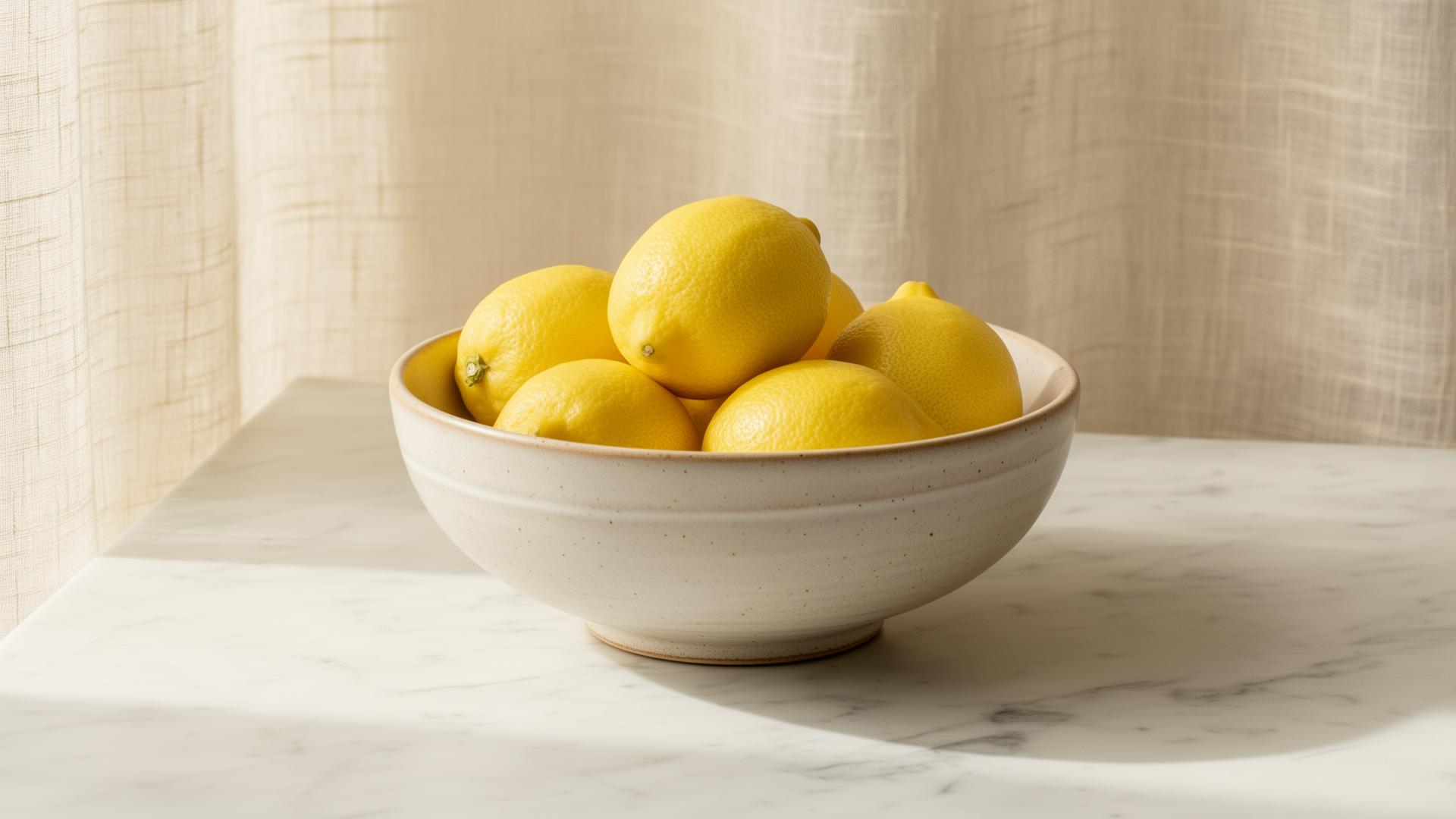
Soft, muted tones — warm whites, sage greens, soft blues, natural tans — activate the parasympathetic nervous system. Bold, bright colors are energizing but can be overstimulating in spaces meant for rest. Choose your palette based on how you want to feel, not what's trending.
Lighting Changes Everything
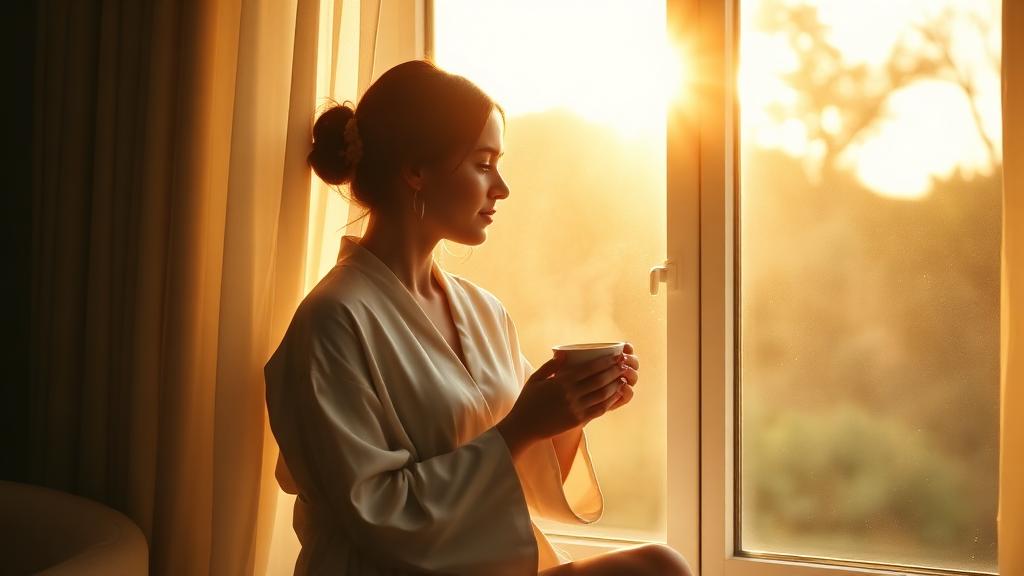
Harsh overhead lighting creates tension. Layer your lighting: ambient (overhead, dimmed), task (desk lamps, reading lights), and accent (candles, string lights). In the evening, warm, low lighting signals your circadian system that it's time to wind down.
Create Sensory Anchors
Engage all five senses intentionally. A specific scent (lavender, cedarwood) linked to relaxation. A textured throw that feels comforting. Background music or a fountain sound. These sensory anchors train your nervous system to associate your home with calm.
Designated Zones for Different States
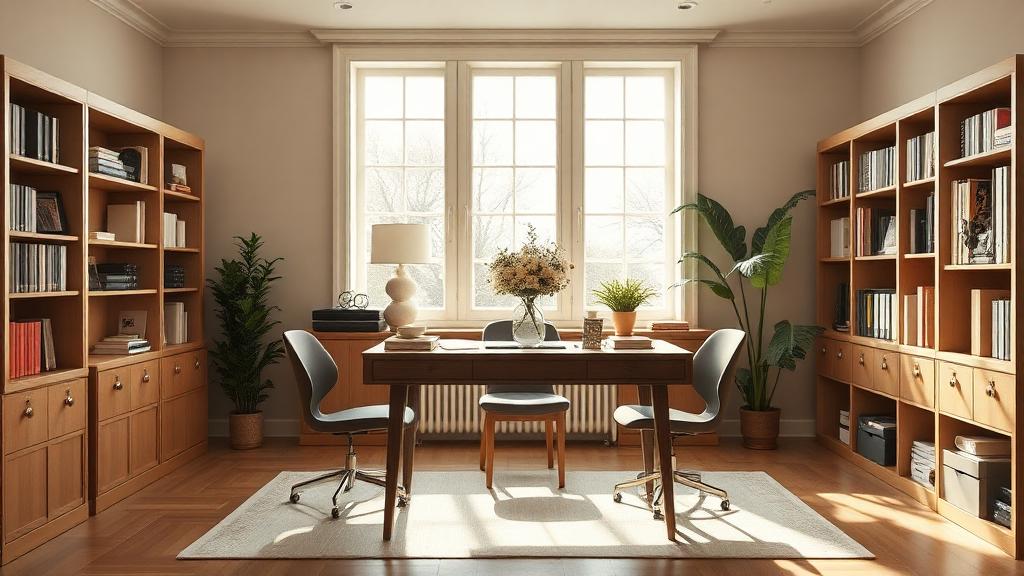
Your brain associates spaces with activities. Create distinct zones: a workspace (focus), a reading corner (rest), a dining area (connection). When spaces serve a clear purpose, your brain shifts states more easily — and work stays out of your relaxation spaces.
Nature as an Interior Design Principle
Plants, natural materials (wood, stone, linen), natural light, and views of the outdoors all reduce stress and improve mood. You don't need a garden — a few well-placed plants, a wooden bowl, and a window you actually open can transform a room.
A peaceful home doesn't require a budget — it requires intention. Start with one room. Remove what doesn't serve you. Add what calms you. Notice how differently you feel. Then do the next room. Your home should be the safest place in your world.