A Practical Guide to Minimalist Living
How to embrace minimalism without becoming a monk — a practical guide to owning less, stressing less, and living more intentionally.

Charlotte Edwards
March 7, 2026 · 2 min read
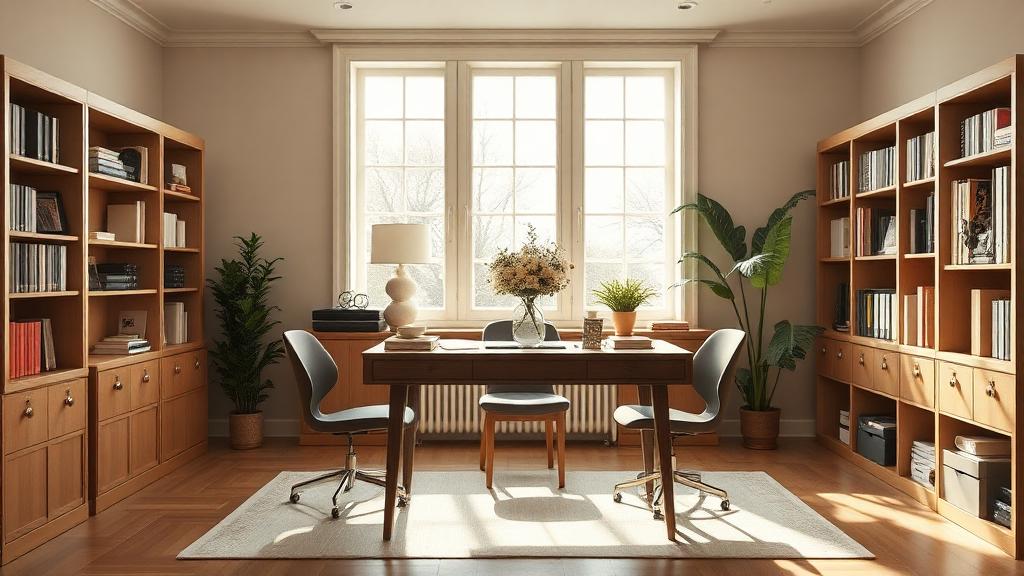
Minimalism isn't about owning nothing. It's about owning only what adds value to your life and removing everything that doesn't. It's a response to the relentless accumulation that modern consumer culture encourages — and a path to the clarity, freedom, and peace that come from having enough.
Why Minimalism Matters for Modern Women
Women are disproportionately burdened with managing household stuff — buying it, organizing it, cleaning it, donating it. Every item you own costs not just money but time, space, and mental energy. Minimalism is, in many ways, a feminist act of reclaiming your resources.
Start With the Easy Wins
Begin with categories that have low emotional attachment: duplicate kitchen tools, expired pantry items, old magazines, clothes that don't fit. Quick progress builds momentum and makes the harder decisions easier when you get to them.
The One-Year Rule
If you haven't used, worn, or thought about an item in 12 months, it's not adding value to your life. Donate it, sell it, or recycle it. The exception: seasonal items and genuine sentimental pieces (which should be few and deliberately chosen).
Quality Over Quantity: The Capsule Approach
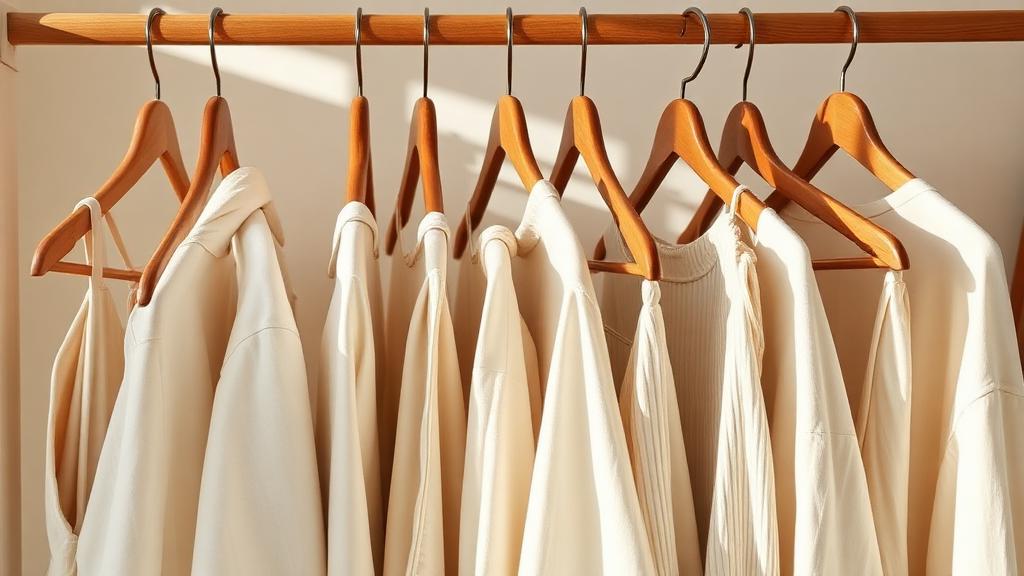
Apply the capsule wardrobe principle to everything: fewer, better things. One excellent chef's knife instead of a drawer full of mediocre ones. Three sets of quality sheets instead of seven mismatched ones. Invest in items you use daily and release the rest.
Digital Minimalism
Minimalism isn't just physical. Unsubscribe from email lists. Delete apps you don't use. Unfollow accounts that don't serve you. Clean your desktop. Your digital environment affects your mental state as much as your physical one.
Minimalism as an Ongoing Practice
Minimalism isn't a one-time purge — it's a continuous practice of intentional acquisition. Before buying anything, ask: Do I need this? Do I have something that serves this purpose already? Where will it live? Will I still want it in six months?
Minimalism isn't deprivation — it's liberation. When you own less, you clean less, organize less, stress less, and spend less. What fills the space isn't emptiness — it's freedom, clarity, and room for what truly matters.