The Slow Fashion Guide for Conscious Women
How to build a wardrobe that's stylish, sustainable, and aligned with your values — without spending more or sacrificing your personal style.

Isabelle Laurent
March 2, 2026 · 2 min read
The average woman buys 68 garments per year — and wears most of them fewer than ten times. Fast fashion has turned clothing into a disposable commodity, and the environmental and human costs are staggering. Slow fashion offers a better way.
What Slow Fashion Actually Means
Slow fashion isn't about buying nothing — it's about buying intentionally. Fewer pieces, better quality, longer wear. It means understanding where your clothes come from, who made them, and whether they'll still be in your wardrobe in three years.
Building a Capsule Wardrobe
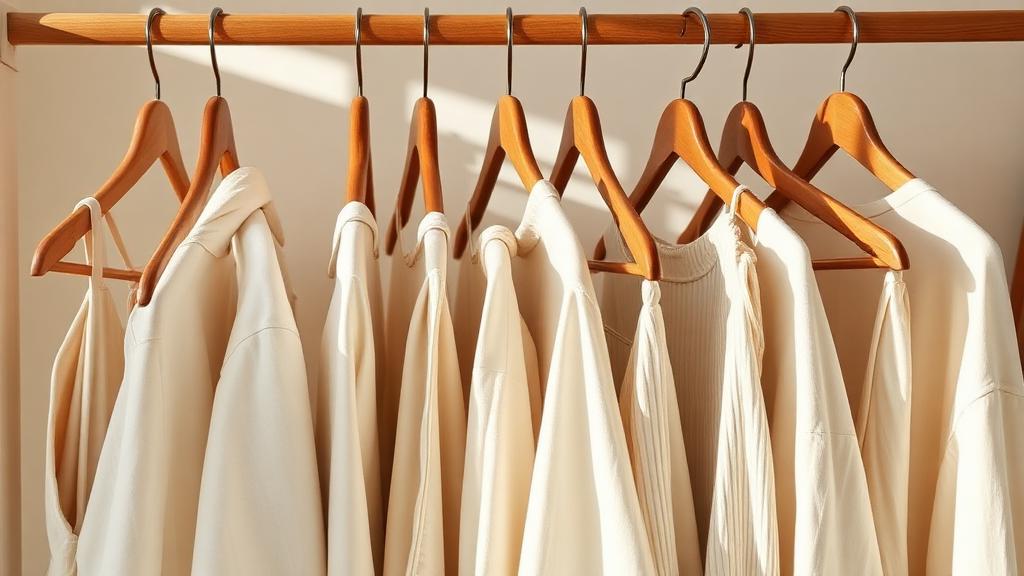
A capsule wardrobe of 30-40 versatile, well-made pieces can create more outfits than a closet of 200 fast fashion items. Start with high-quality basics in your best colors, then add personality with a few statement pieces that reflect your unique style.
The Cost-Per-Wear Mindset
A $150 cashmere sweater worn 100 times costs $1.50 per wear. A $25 polyester sweater that pills after five washes costs $5 per wear. True economy isn't about the price tag — it's about the value delivered over time.
Sustainable Brands Worth Knowing
Research brands that prioritize ethical manufacturing, sustainable materials, and transparent supply chains. Many offer timeless designs that outlast trends. Your purchasing power is a vote — cast it for the fashion industry you want to exist.
Second-Hand and Vintage Shopping
Thrift stores, consignment shops, and online resale platforms offer quality pieces at a fraction of retail. Shopping second-hand is the most sustainable option available — it creates zero new demand and extends the life of existing garments.
Care and Maintenance
Wash less frequently (most clothes don't need washing after every wear). Follow care labels. Store properly. Learn basic mending. Taking care of your clothes extends their life significantly and reduces your need to replace them.
Slow fashion is a form of self-respect and environmental responsibility. When you invest in clothing that fits your body, reflects your values, and lasts for years, getting dressed becomes an act of confidence rather than consumption.