The Luxury of Less: Embracing Minimalist Living
How owning fewer things leads to experiencing more life
Virginia Chen
December 19, 2025 · 3 min read
The house we sold was beautiful—four bedrooms, a manicured yard, the kind of space that impresses visitors. It was also a prison of maintenance, of mortgage payments, of weekends lost to upkeep. When we finally let it go for a small apartment, people assumed we'd suffered a setback. The truth was the opposite: we'd finally gotten free.
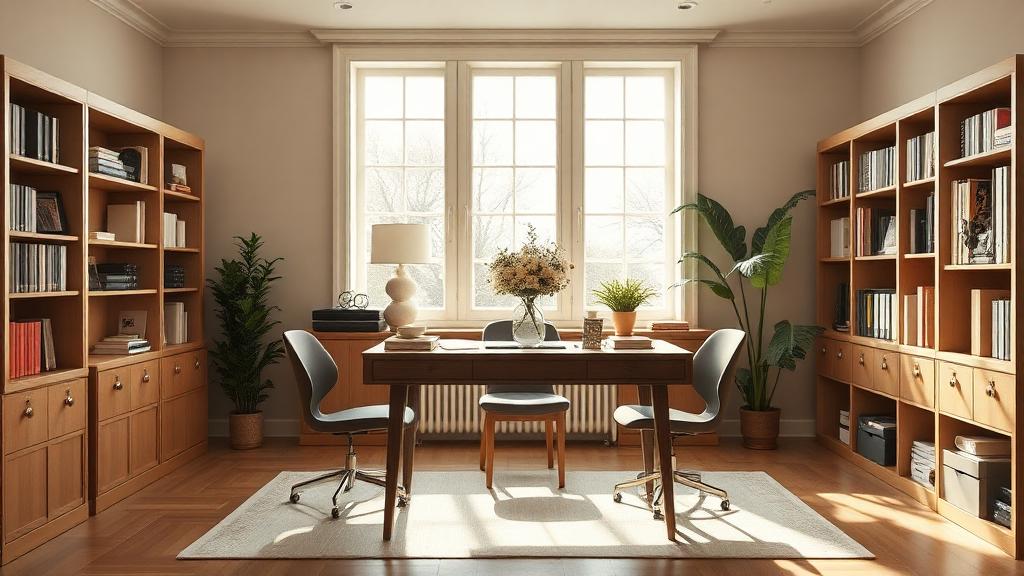
Minimalism is often misunderstood as deprivation. The sparse white rooms of design magazines, the competitive reduction to some impossibly small number of possessions—this is aesthetics, not philosophy. True minimalism is about abundance: more time, more freedom, more attention for what matters.
The equation is simple but rarely confronted. Every possession costs something to acquire, to maintain, to store, to eventually dispose of. The accumulation of stuff is the accumulation of obligation. At some point, the things you own begin to own you. Minimalism is the recognition of that threshold.
I began with what was easiest: the obvious excess, the duplicates, the purchases that never should have been made. This early clearing created enough space—physical and psychological—to go deeper. The sentimental items, the 'just in case' possessions, the identity objects that no longer fit who I was becoming.
The freedom compounds. With fewer possessions, moving becomes possible rather than traumatic. Cleaning takes hours, not days. Decision fatigue decreases when there are fewer options. The visual calm of uncluttered space translates to mental calm. Life gets easier in ways you couldn't anticipate.
Money follows the shift. When you stop buying things you don't need, the math changes. The smaller space costs less. The simpler life requires less income to maintain. The option to work less, or differently, opens up. Minimalism is quietly radical—it challenges consumption's role in identity and economy.
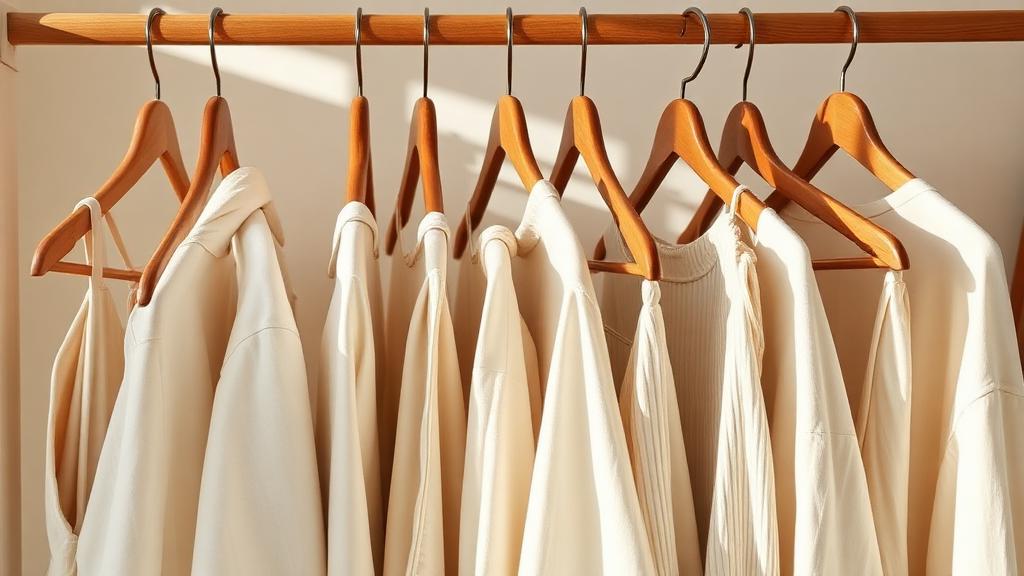
Quality replaces quantity. With fewer things, each one can be better. The single perfect knife instead of a drawer full of dull ones. The few garments that fit beautifully rather than the closet packed with compromise. What remains in the minimalist life tends to be the best of what was possible.
Not everyone should live in 400 square feet. Minimalism is not a number but a philosophy: own only what serves you, need less, live more. The specific application varies with life circumstance. A family needs more than a single person; a craftsperson needs more than an office worker. The principle remains.
What I've found in the reduced life is not absence but presence. The space around objects makes each one visible. The time saved from maintaining stuff can be spent on experiences. The mental energy released from managing possessions is available for thinking, creating, connecting. Less stuff, more life—the trade is always worth it.